Projects across power, cooling & storage
A selection of our projects in geothermal energy, cryogenic energy systems, waste heat recovery and phase change materials.
Geothermal Energy for Singapore
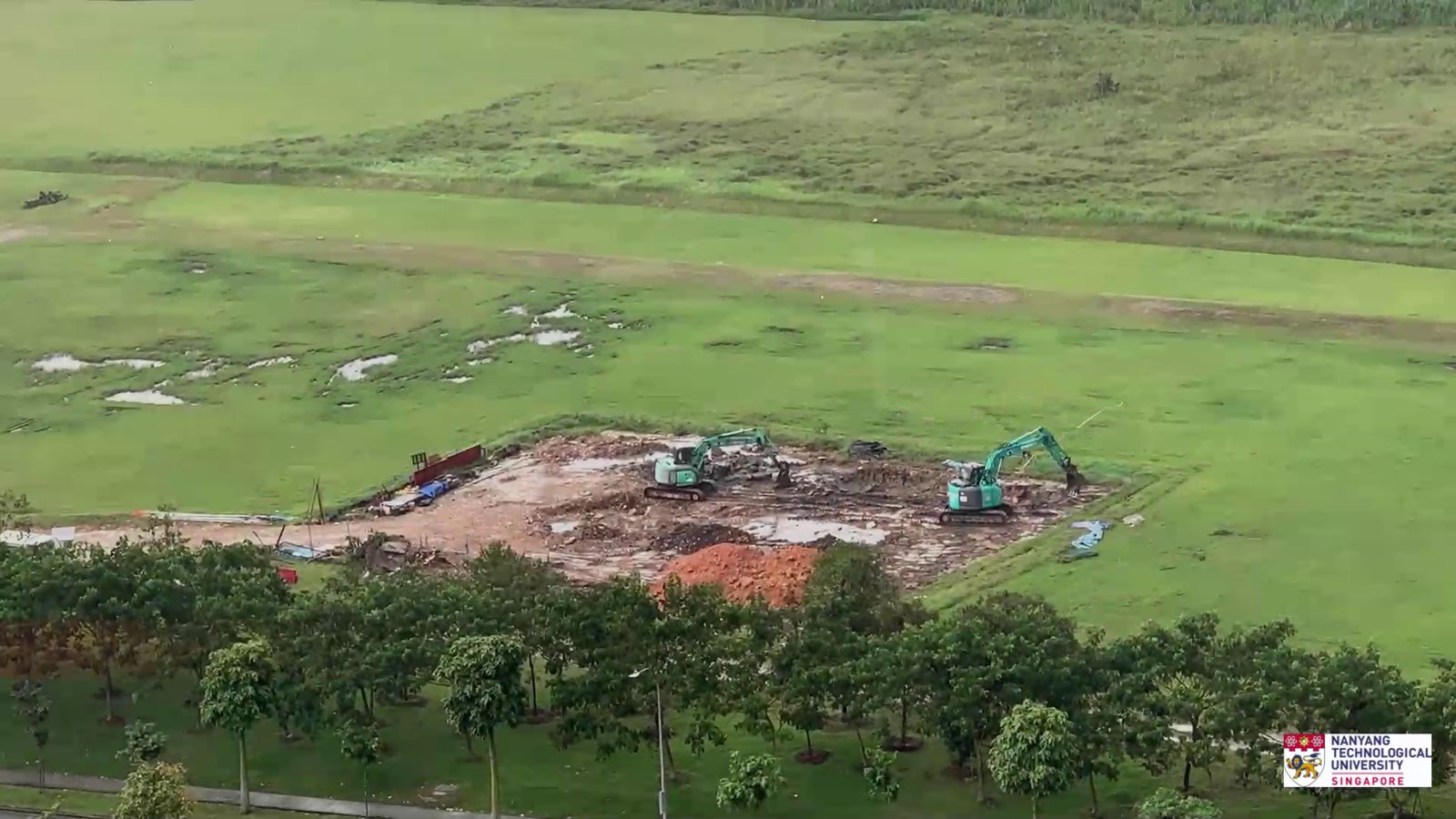
Deep exploratory drilling at Admiralty and Sembawang, subsurface characterisation, and the energy-system integration needed for the next phase of Singapore's geothermal development.
Explore the geothermal programme →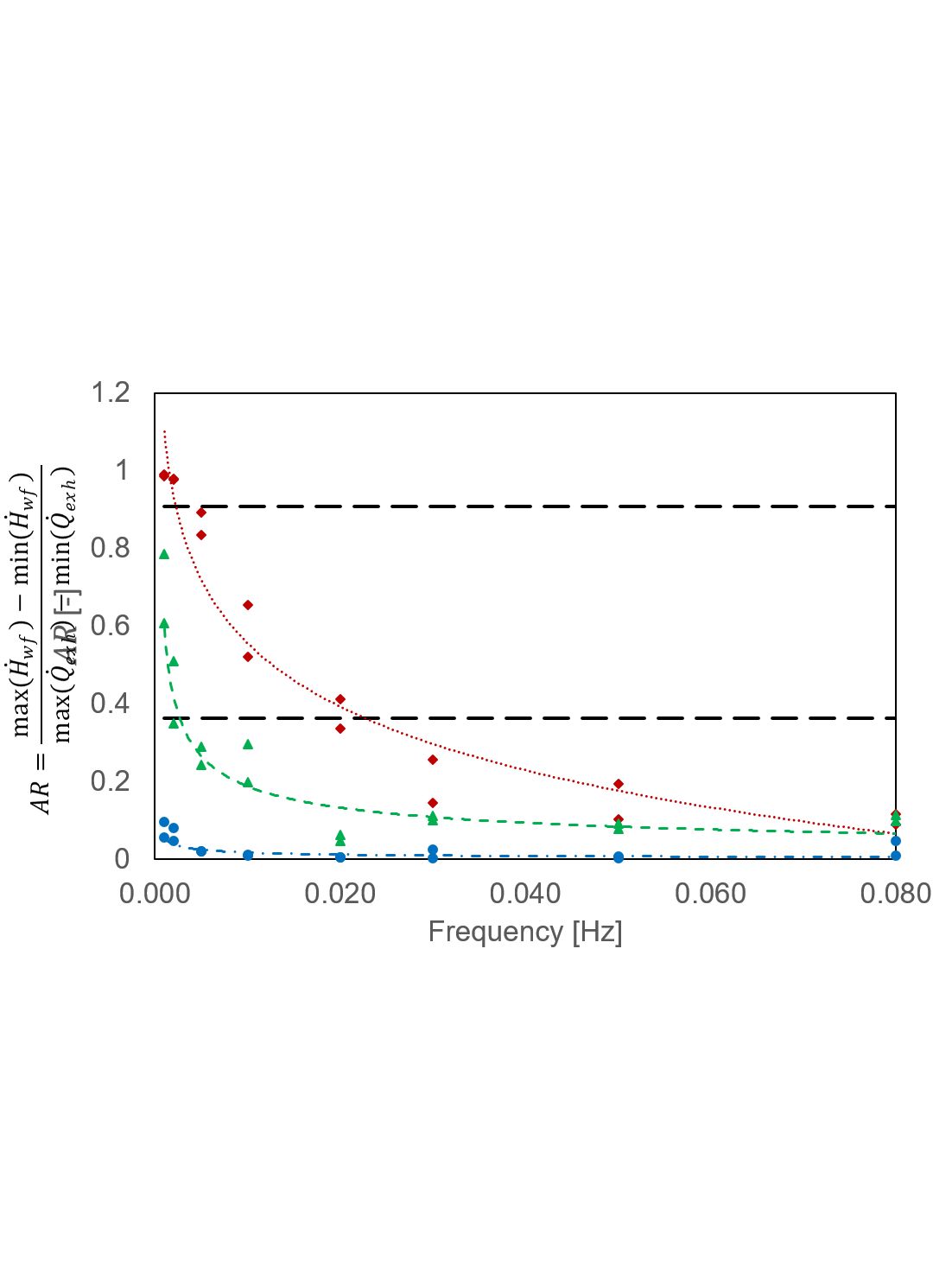
Organic Rankine Cycle (ORC)
Waste heat recovery from industrial and mobile applications with ORC systems. Because waste heat sources vary strongly in thermal power, the project focuses on evaporator design and control, using dynamic models in DYMOLA validated on an in-house test rig.
Green Data Centres
A Cryo-Cogenerator that uses liquid air or nitrogen to supply cooling and backup power to a data centre. The project delivered a TRL 3 proof of concept, with lab-scale tests of some components.
High-Efficiency WtE Plants
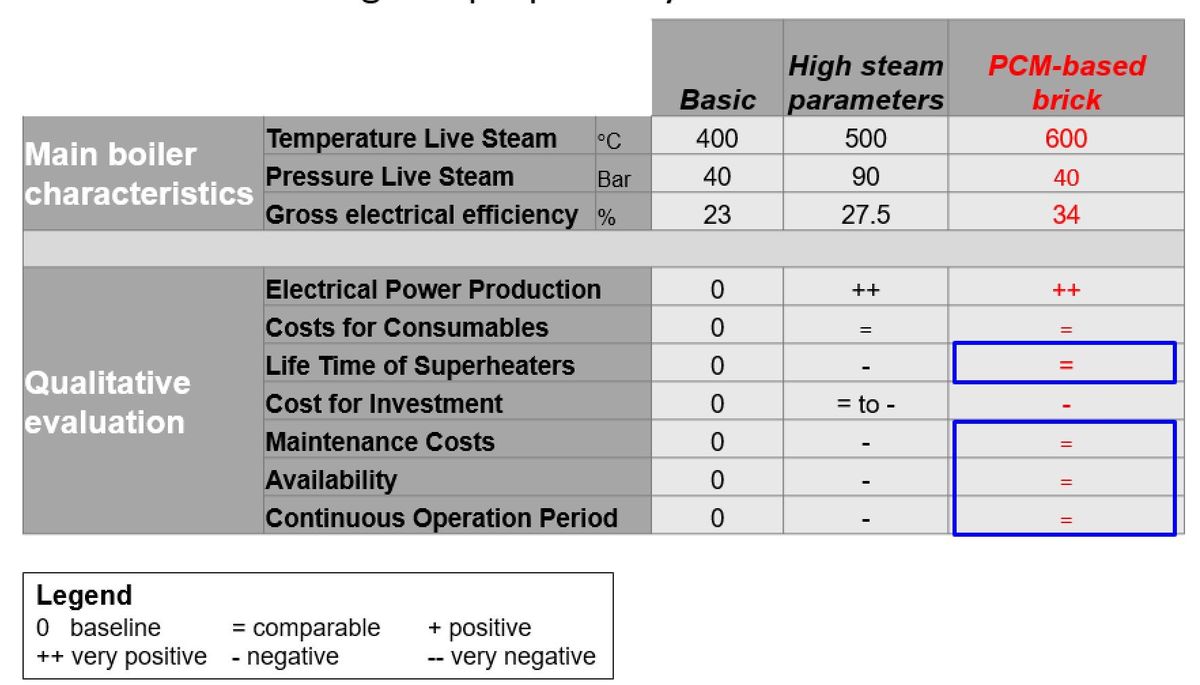
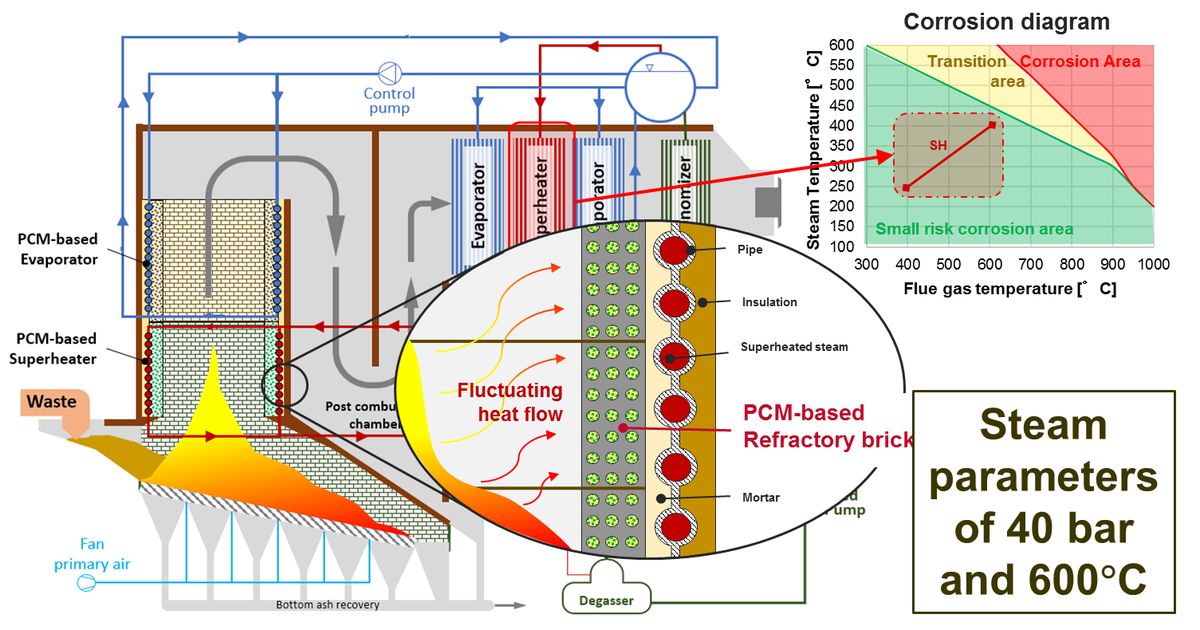
Replaces the water-wall of waste-to-energy boilers with a PCM-based brick that absorbs a fluctuating heat flux and releases it steadily. The project showed the buffering effect and higher superheated-steam parameters at TRL 3.
Underground LNG Storage
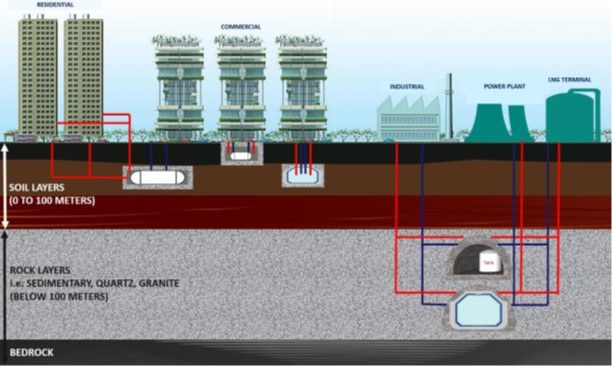
Underground storage of liquefied natural gas, and use of the cold energy released during regasification. A joint project between NTU's mechanical and civil engineering schools and Surbana Jurong.
SMES: Cryogenic Energy Storage
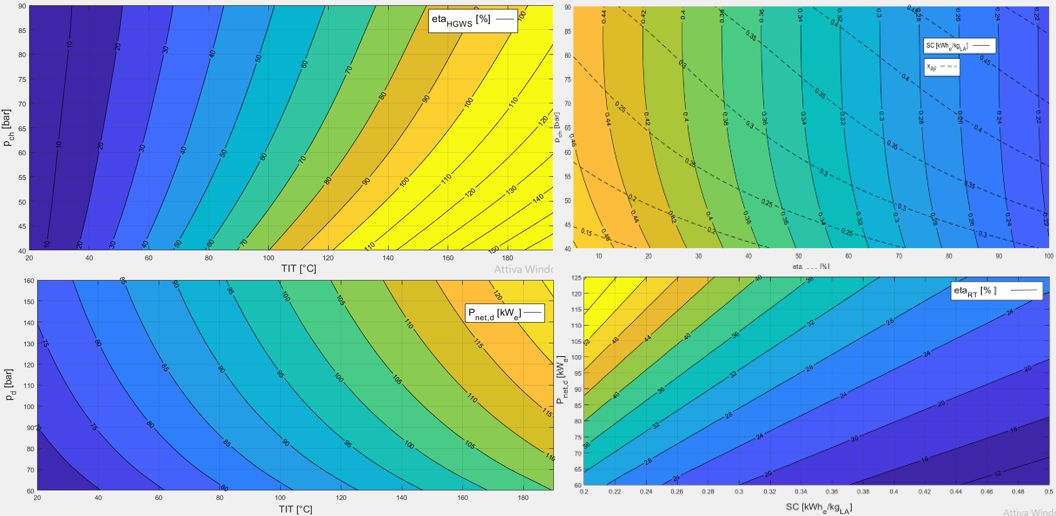
Part of the Smart Multi-Energy Systems programme: design of high-grade cold regenerators for liquid air energy storage (LAES), and LAES as a polygeneration system supplying both power and cold.
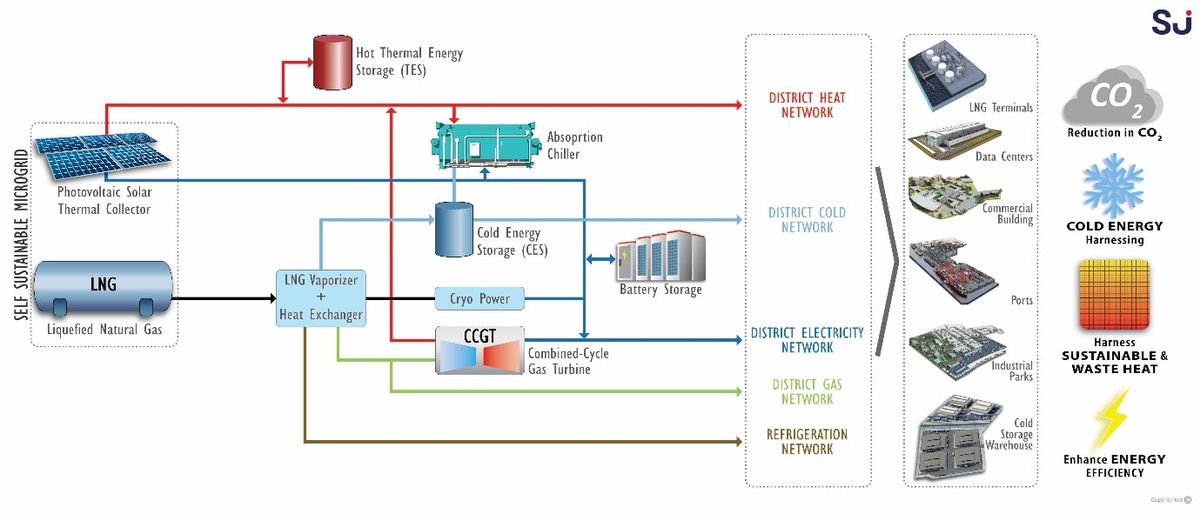
CryoPolygen
Recovers the cold energy wasted during LNG regasification. The system converts it directly into electricity, stores it for chillers, and uses it for cryogenic carbon capture.
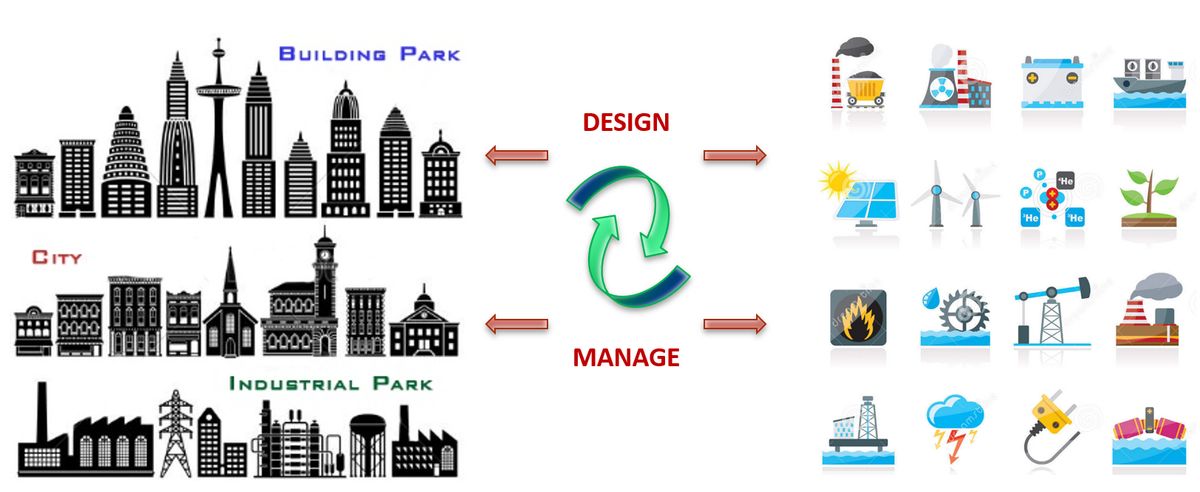
Modelling & Simulation
Our software designs, retrofits and master-plans multi-energy districts. It minimises an objective function covering technical feasibility, CAPEX, OPEX and CO₂ emissions, and schedules electricity, cooling and heating by solving unit commitment and optimal power flow.